Maintenance and Reliability: Why Good Pumps Fail
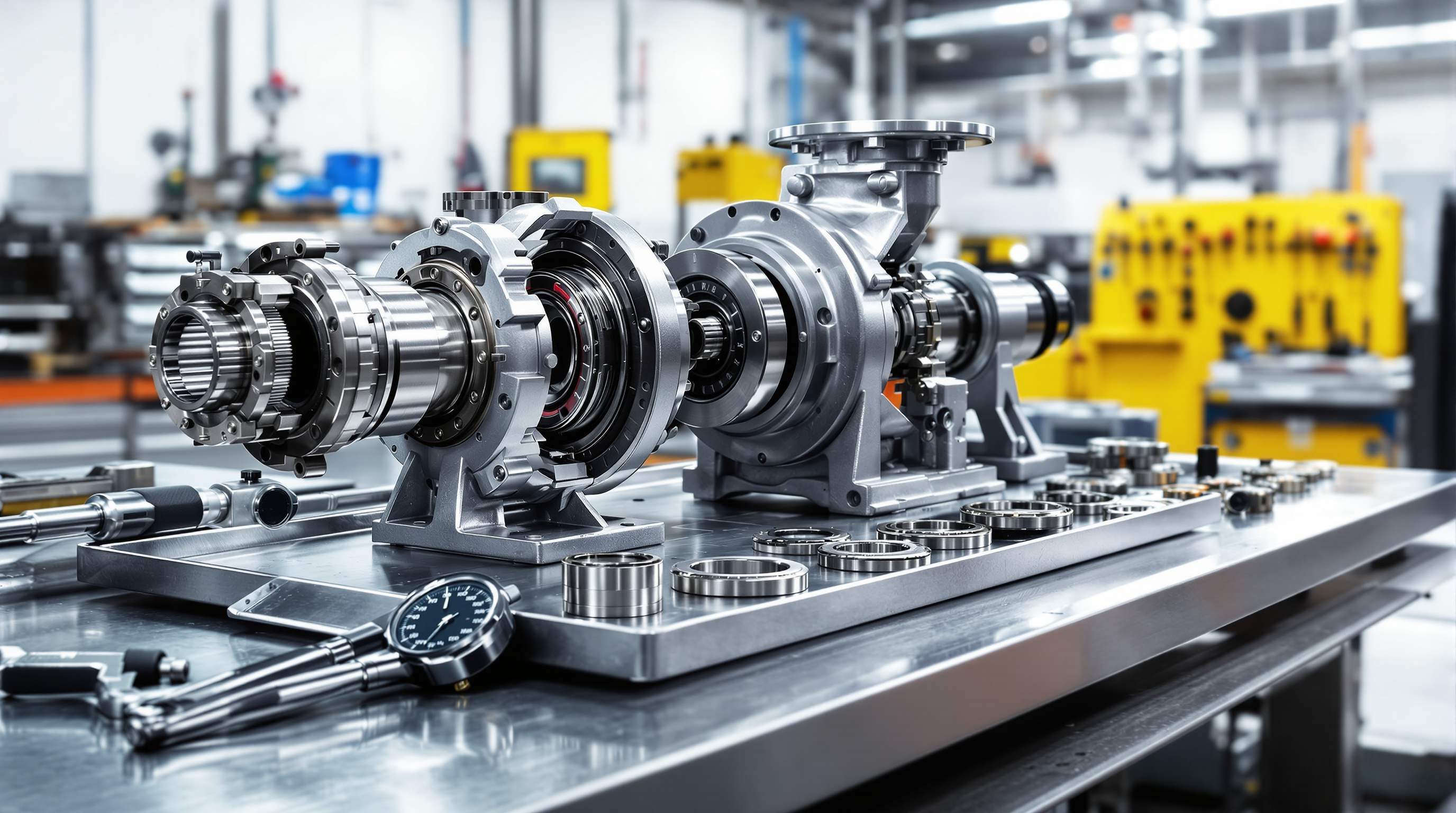
Walk through any plant's maintenance records and a pattern emerges: the same handful of pumps generate most of the work orders, and the same two components — mechanical seals and bearings — head nearly every failure report. Industry reliability surveys have repeated this finding for decades. The deeper truth they encode is uncomfortable and liberating at once: pumps rarely die of old age. They are killed — by the way they were selected, installed, operated, and repaired. Which means most failures are choices, and choices can be changed.
The Usual Suspects
Mechanical seals fail first because they are the most delicate precision component in the machine: two optically flat faces riding on a liquid film measured in microns. Anything that disturbs the film kills the seal — dry running, cavitation vapor, flashing, abrasives, shaft deflection from off-BEP operation, or a flush plan that never worked in the first place. A seal failure is therefore best read as a symptom; replacing it without asking why guarantees a repeat appointment. API 682, the hydrocarbon-industry seal standard, exists in large part to force that conversation at specification time.
Bearings die almost as often, and overwhelmingly from lubrication failure rather than fatigue: contaminated oil, wrong viscosity, over-greasing, or water ingress — a fraction of a percent of water in oil can cut rolling-bearing life dramatically. The cures are unglamorous: clean, correct, and dry lubricant; functioning bearing protection; and temperature trends watched rather than guessed.
Couplings, baseplates, and pipe strain round out the list. A pump pulled out of line by an unsupported pipe run carries a permanent side-load no alignment job can fix; laser alignment done to a distorted baseline is precision applied to a lie. Soft-foot checks and pipe-stress discipline cost minutes and save rebuilds.
Operating Habits That Kill Machines
The operating point is destiny. Running far below best efficiency point breeds suction and discharge recirculation — turbulence that hammers impeller shrouds, deflects shafts, and shortens seal life even though "the pump is barely working." Running far beyond BEP drags NPSH required up until cavitation joins the party. Dead-heading a centrifugal pump cooks its own casing volume; running a positive displacement pump against a closed valve tests the relief valve or, absent one, the weakest flange. Frequent starts hammer motors and thrust bearings. None of these abuses appears on a nameplate; all of them appear in failure statistics. The single highest-leverage reliability action in most plants is simply keeping pumps inside their preferred operating region — by control strategy, by trimming or speed, or by admitting the pump was mis-sized and changing it (see the selection note for how it should have gone).
Condition Monitoring That Pays
The argument for monitoring is arithmetic: an unplanned pump failure costs whatever the repair costs, plus the downtime, plus whatever the failure splashed, burned, or contaminated. Against that, the basics are cheap. Vibration trending catches unbalance, misalignment, bearing defects, and cavitation signatures weeks before they become events; even monthly handheld routes transform outcomes, and standards from ISO (the 10816/20816 series) give defensible alarm levels. Bearing temperature and lubricant analysis tell you about the failure mode that vibration sees late. Performance tracking — head and power against the original curve — reveals internal wear and changed system conditions that mechanical sensors miss entirely. The point is never the data; it is the trend, and the discipline of acting on it while the repair is still small.
Precision Maintenance, or Repair as Engineering
Plants that escape the rebuild treadmill share habits. They align shafts with lasers to tight tolerances and document the numbers. They balance rotating elements after every impeller change. They torque casing and gland bolts to specification rather than to feel. They keep seal and bearing storage clean and climate-controlled — a bearing's life can be decided by the shelf it waited on. And they conduct failure analysis on every repeat offender: a bad actor program that asks five whys per carcass quietly retires the worst 10% of pumps that were generating half the work orders. Resources from the Hydraulic Institute and the DOE's reliability and efficiency publications provide ready frameworks; the hard part is not knowledge but consistency.
Metering-Pump Inspection Is a Fluid-End Job
Metering service shifts attention from rotating hardware to the liquid end. Suction and discharge check valves must move freely and seat cleanly; a small deposit, worn seat, damaged ball, or misassembled valve can turn a precise displacement mechanism into uncertain flow. During inspection, keep each valve's orientation and parts order unmistakable, examine the seating surfaces under good light, and clean them with a method compatible with both the process residue and the valve materials. A valve that looks acceptable but fails a field drawdown has not passed the test that matters.
The diaphragm deserves the same disciplined reading. Look for cracking, swelling, surface attack, permanent distortion, or witness marks that suggest abnormal travel. Condition often says more than elapsed service: chemical incompatibility, excessive suction lift, blocked discharge, or a failed hydraulic support system can damage a replacement quickly. Where the design provides leak detection or hydraulic-fluid monitoring, treat a change as evidence to investigate rather than a nuisance to reset.
After reassembly, return valves deliberately to their operating positions, vent trapped gas by the approved plant procedure, confirm that relief and back-pressure devices are available, and verify output with the installed calibration arrangement. Record the as-found condition and the measured result. Those notes connect a future loss of capacity to its physical cause and turn routine maintenance into a trend instead of a succession of isolated repairs.
The Reliability Bargain
None of this is exotic. Honest sizing, straight pipes, clean oil, flat seal faces, trended vibration, and the humility to investigate failures instead of merely clearing them — that modest list separates plants measuring pump life in decades from plants measuring it in months. The machine, as ever, is keeping score.